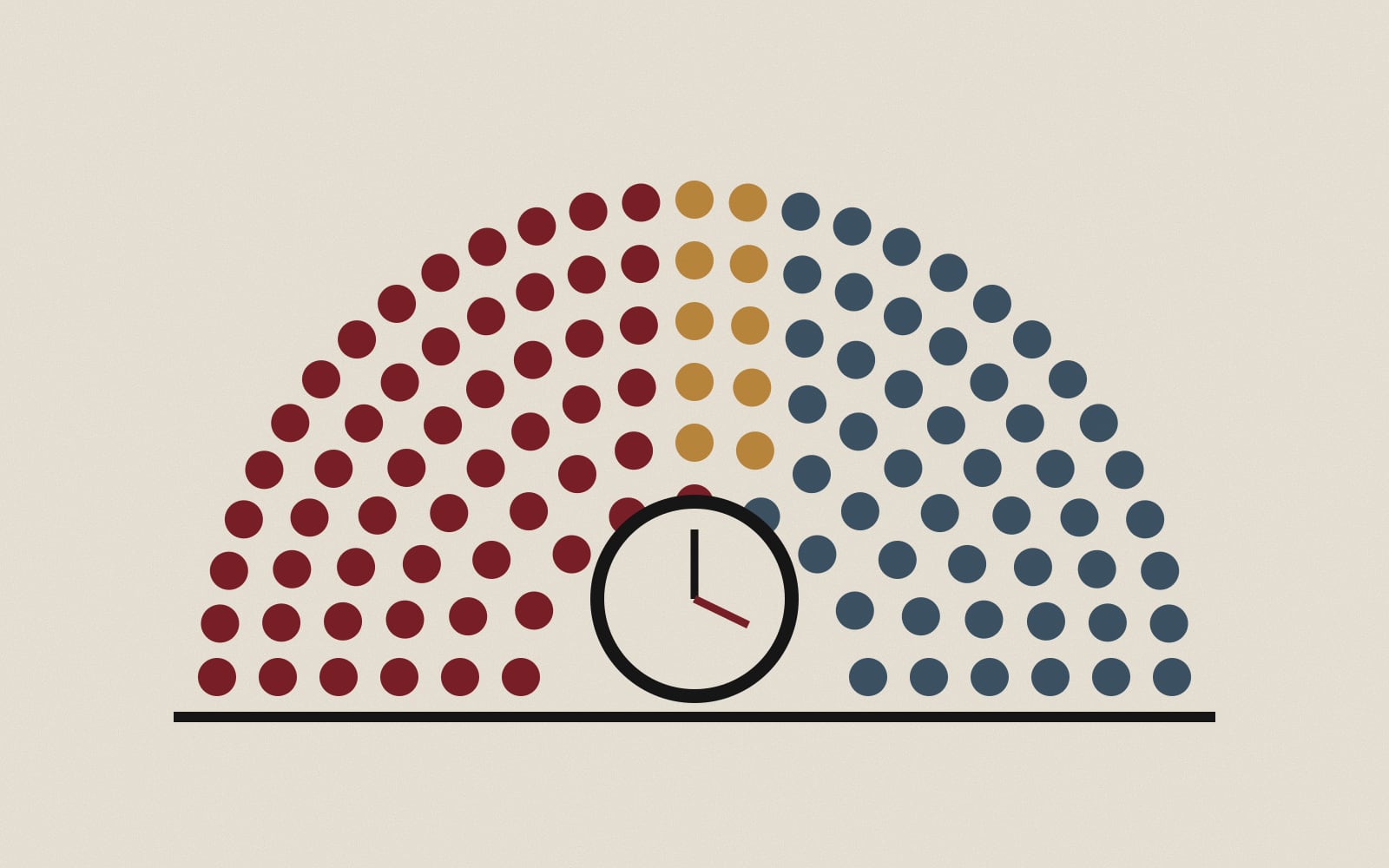
There was a time when an editor decided what was news. The decision was fallible, often snobbish and sometimes plain wrong, but it was a decision: a judgement, made by a person who could be argued with, about what mattered.
Today that judgement has largely been outsourced to the trend. Whatever is rising fastest — a feud, a clip, a phrase — is news by definition, and the newsroom's job is to catch it on the way up.
Velocity is not importance
The problem is not that trending stories are always trivial. Some are not. The problem is that velocity has become a substitute for importance. A slow-moving story — a pension system quietly running out of money, a river slowly drying, a court gradually changing its mind — will never trend, because nothing about it is sudden. Yet such stories shape far more lives than the controversy of the afternoon.
The case for a slower front page
A magazine has an advantage here that it should use without embarrassment: it is allowed to be late. It can wait until the facts are in, ask what a story means rather than merely that it happened, and choose to leave the trending topic to others. Readers notice the difference. Many of them are exhausted by being told, every hour, what they must care about next.
Ignoring the trend is not elitism. It is editing — the old, unfashionable practice of deciding what deserves attention, and accepting responsibility for the choice.