Who draws the lines?
Inside the business of drawing electoral boundaries — and why the most consequential maps in politics get so little attention.
Inside the business of drawing electoral boundaries — and why the most consequential maps in politics get so little attention.
Long fiction is thriving — just not always in the places literary culture is used to looking.
Across the democratic world, single-party majorities are becoming the exception. The age of bargaining is back — and it rewards a different kind of politician.
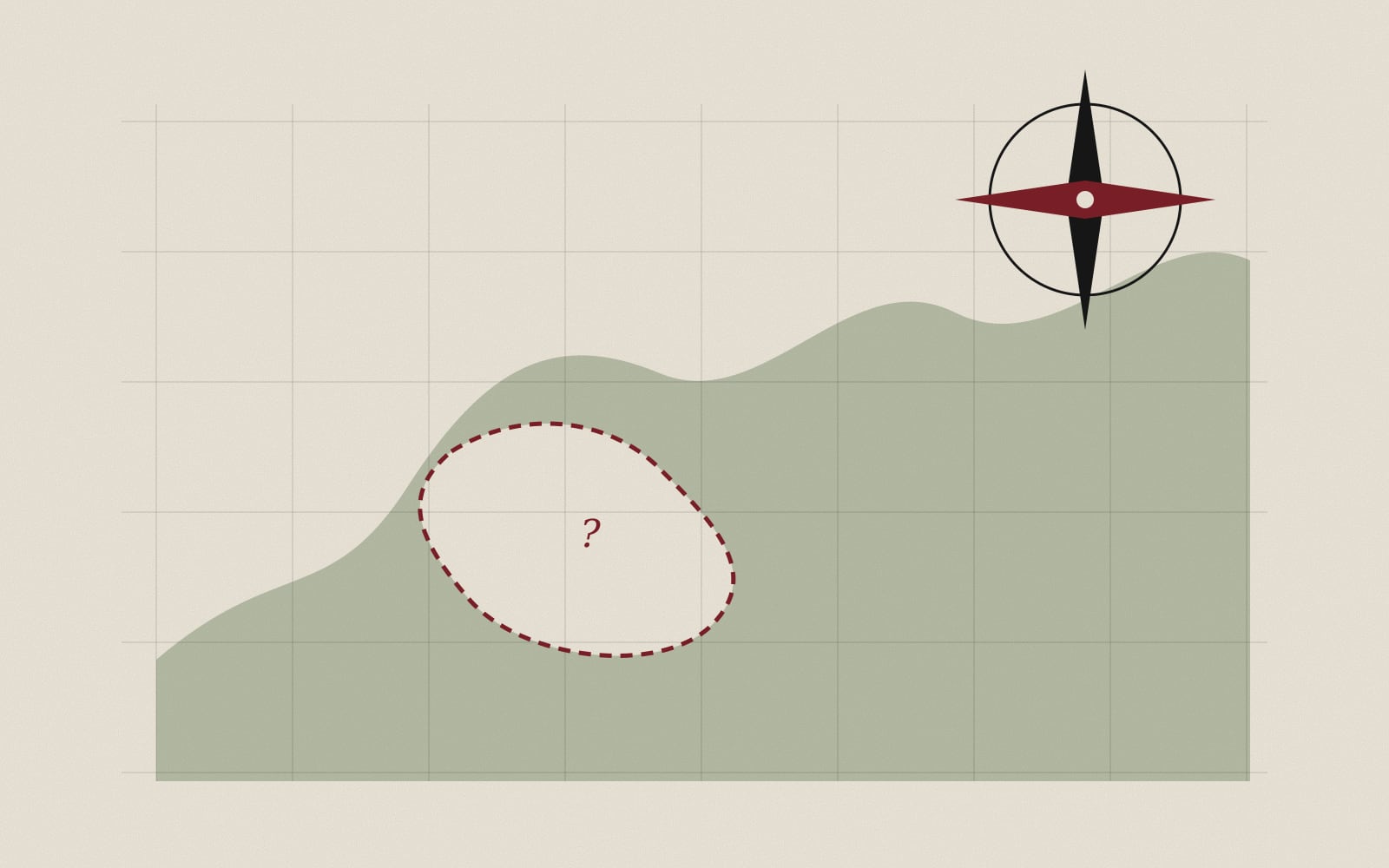
Imperial surveys promised a complete picture of the world. Their silences tell us as much as their measurements.
An economy devoted to making sure we are never bored may have abolished something the mind needs.
The cure for theatrical politics is more time for scrutiny — and fewer, longer sittings that actually examine the law.
The news cycle runs on whatever is rising fastest. Serious publications should have the nerve to ignore it.
A century of designing cities for speed has produced places that are easy to cross and hard to live in.
Trust the experts, or distrust them? Both instructions misunderstand what expertise is — and what it can honestly promise.
Libraries have burned for as long as there have been libraries. What we choose to keep — and how we keep it — is the oldest question of civilisation, and the digital age has made it harder, not easier.
Read the essayThe cure for theatrical politics is more time for scrutiny — and fewer, longer sittings that actually examine the law.
The news cycle runs on whatever is rising fastest. Serious publications should have the nerve to ignore it.
Inside the business of drawing electoral boundaries — and why the most consequential maps in politics get so little attention.
Imperial surveys promised a complete picture of the world. Their silences tell us as much as their measurements.
A century of designing cities for speed has produced places that are easy to cross and hard to live in.
Long fiction is thriving — just not always in the places literary culture is used to looking.
An economy devoted to making sure we are never bored may have abolished something the mind needs.
Shared rivers, rising demand and the fragile treaties that keep neighbours from conflict.
Single-party majorities are becoming rare. What the new age of bargaining asks of politicians, parties and voters.
Inside the business of drawing electoral boundaries — and why the most consequential maps in politics get so little attention.
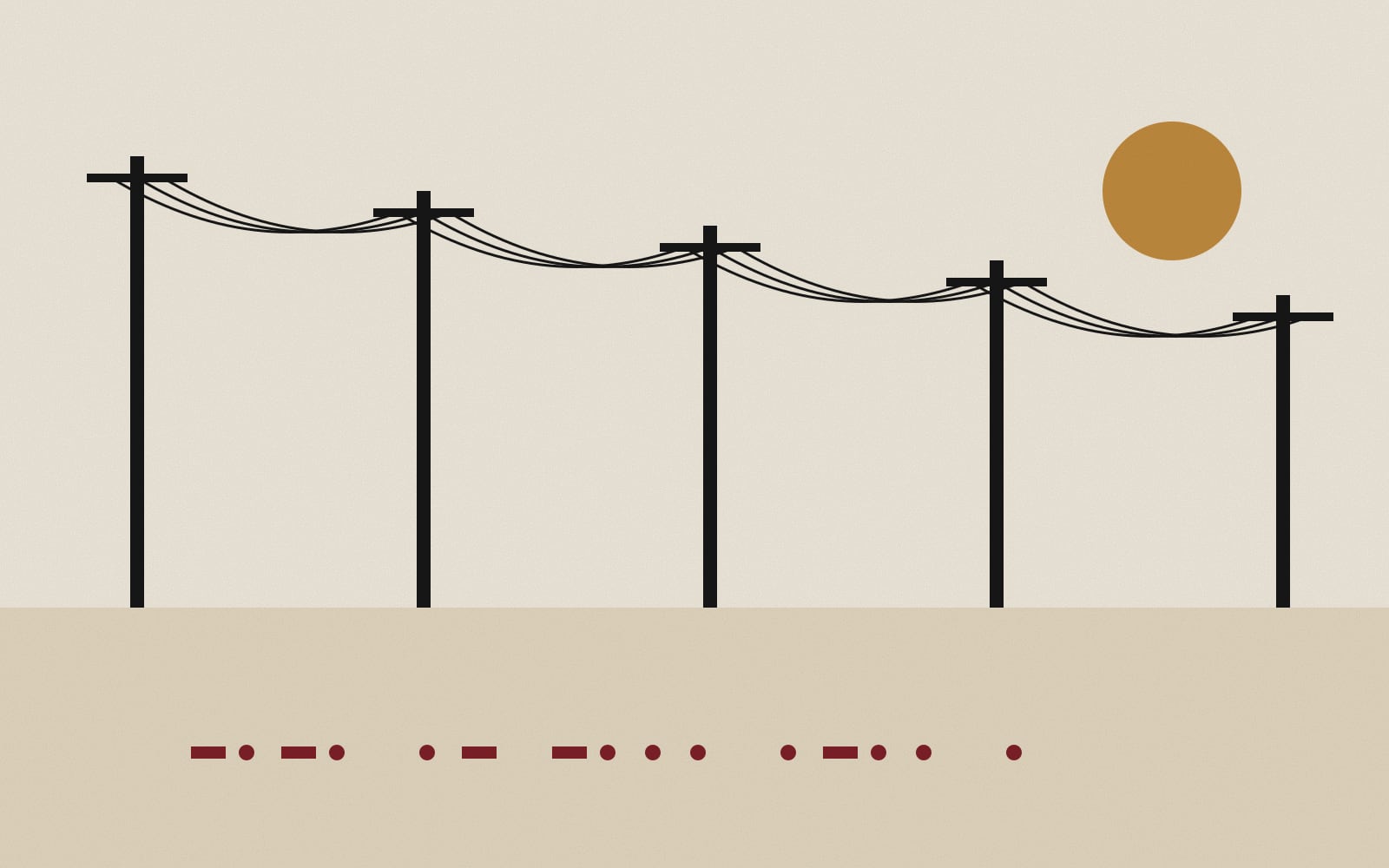
Empires are remembered through viceroys and generals. They were held together by clerks tapping out code.
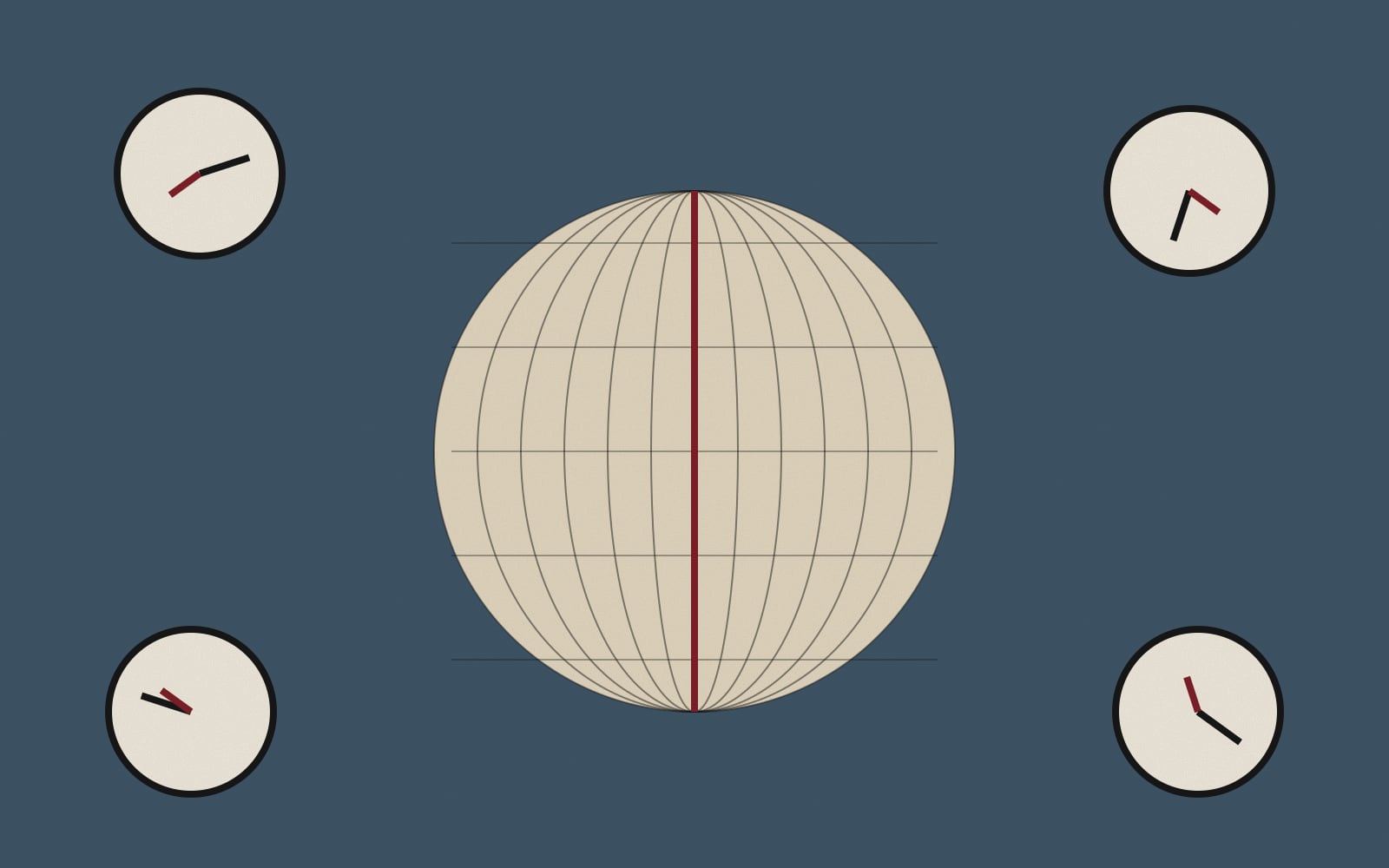
How the world came to share a single prime meridian — and why the decision still shapes how we live.
Imperial surveys promised a complete picture of the world. Their silences tell us as much as their measurements.
International art exhibitions have multiplied across the world — as much about urban ambition as about art.
Long fiction is thriving — just not always in the places literary culture is used to looking.
An economy devoted to making sure we are never bored may have abolished something the mind needs.
Trust the experts, or distrust them? Both instructions misunderstand what expertise is — and what it can honestly promise.
Anaya Rao is Insight's political editor. She writes about parliaments, elections and the machinery of government.
Leila Farouk writes about empires, archives and the long nineteenth century.